Stay tuned
To learn more about the latest news of FANGBEI.


To learn more about the latest news of FANGBEI.
2026-10-30
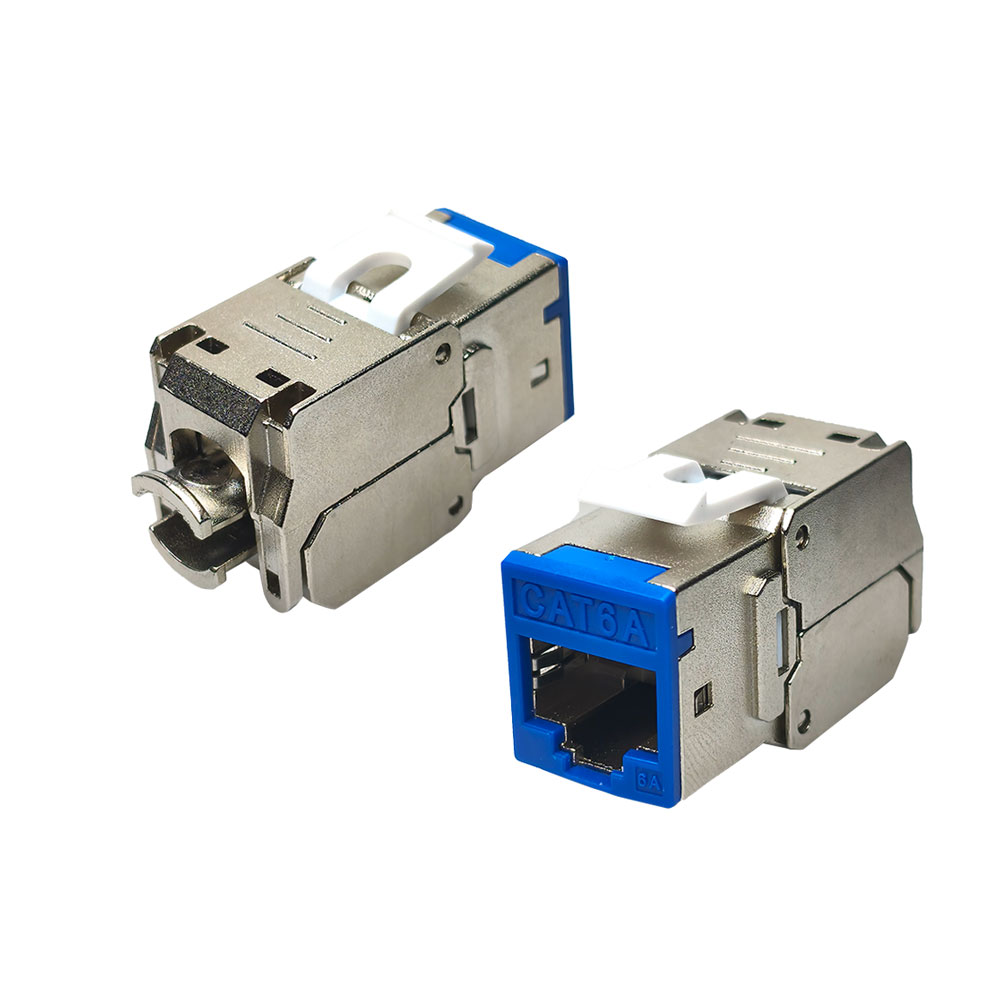
A K2 connector is an electrical connection component designed to join wires, cables, or electrical components within a circuit. Depending on its design and specifications, it can provide a stable electrical connection while helping maintain reliable current transmission and mechanical contact. K2 connectors may be used in different electrical systems where secure connections, convenient installation, and consistent performance are required.
Understanding how a K2 connector works is important for engineers, electrical equipment manufacturers, and purchasing professionals who need to select suitable connection components for their applications.
A K2 connector works by establishing a conductive path between two or more electrical components. Its conductive contacts transfer electrical current, while the connector housing and locking structure help maintain a secure physical connection.
The working process generally involves three steps:
Physical Connection: The connector's mating components are aligned and connected through a plug-in, terminal, or locking mechanism.
Electrical Contact: Internal conductive contacts establish a continuous electrical path, allowing current to flow between connected components.
Connection Protection: The housing and mechanical locking structure help prevent accidental disconnection and protect the contact area from external interference, depending on the connector design.
For example, in an electrical control cabinet, a properly selected connector can connect wiring between control devices and power distribution components. This makes installation and maintenance more manageable than permanently joining individual wires.
Reliable electrical connections are essential for the safe and consistent operation of electrical equipment. A poorly matched or improperly instalLED Connector can increase contact resistance, generate heat, and cause intermittent electrical faults.
K2 connectors can offer several practical advantages when their specifications match the application.
1. Stable Electrical Transmission
A suitable connector provides consistent contact between conductive components. Low and stable contact resistance helps reduce unnecessary power loss and heat generation.
2. Easier Installation and Maintenance
Connector-based wiring allows electrical components to be assembled and disconnected without repeatedly cutting or joining cables. This is particularly useful in equipment requiring regular inspection or component replacement.
3. Mechanical Connection Reliability
A properly designed locking mechanism helps prevent connectors from loosening due to vibration, movement, or routine equipment operation.
For example, industrial equipment operating continuously may experience mechanical vibration. Using connectors with suitable locking structures can help reduce the risk of loose electrical contacts.
Connector materials directly influence electrical conductivity, mechanical strength, and environmental resistance.
Common materials include:
Copper: Commonly used for conductive contacts because of its good electrical conductivity.
Copper Alloys: Such as brass, which can provide a balance of conductivity, strength, and manufacturability.
Engineering Plastics: Used for insulating housings to provide electrical separation and structural support.
The appropriate material depends on the operating current, temperature, installation environment, and required service life.
Selecting a suitable K2 connector requires more than checking its physical dimensions. Buyers should evaluate several technical factors.
1. Rated Voltage and Current
The connector must support the system's operating voltage and current. For instance, a connector designed for low-current signal transmission should not automatically be used in a high-current power circuit.
2. Contact Resistance
Low and consistent contact resistance helps minimize electrical losses and temperature rise. Contact quality is particularly important in applications involving continuous current.
3. Operating Environment
Temperature, humidity, dust, vibration, and potential chemical exposure can affect connector performance. Environmental protection requirements should be considered during selection.
4. Mechanical Compatibility
Connector dimensions, terminal arrangements, wire sizes, and mating interfaces must match the connected equipment.
Several issues may indicate that a connector is unsuitable or incorrectly installed:
Excessive temperature rise around the contact area.
Intermittent power transmission.
Visible corrosion or discoloration.
Loose terminals or damaged locking structures.
For example, if a connector has an electrical resistance of 10 mΩ and carries a current of 10 A, the contact generates approximately 1 W of heat according to the formula P = I²R. This illustrates why contact resistance and rated current are important selection factors.
A K2 connector provides an electrical connection between compatible components, helping establish reliable current transmission and mechanical contact. Its performance depends on contact materials, rated electrical parameters, connection design, and installation conditions.
For electrical equipment manufacturers and industrial buyers, checking voltage ratings, current capacity, contact resistance, and environmental requirements is essential before selecting a connector.
Fangbei, a premier manufacturer specializing in network connectors, terminals, electronic components, and cutting-edge network tools.

+86 769 8127 1686 +86 186 8105 2977
186 8105 2977