

Choosing thE right wire CONNECTORs is essential for creating secure, stable, and durable electrical connections. Different wiring applications require different connector structures, installation methods, and performance characTEristics.
From household wiring and low-voltage systems to automotive and electronic applications, understanding the main wire connector types can help engineers, installers, and buyers select the right solution for their projects.
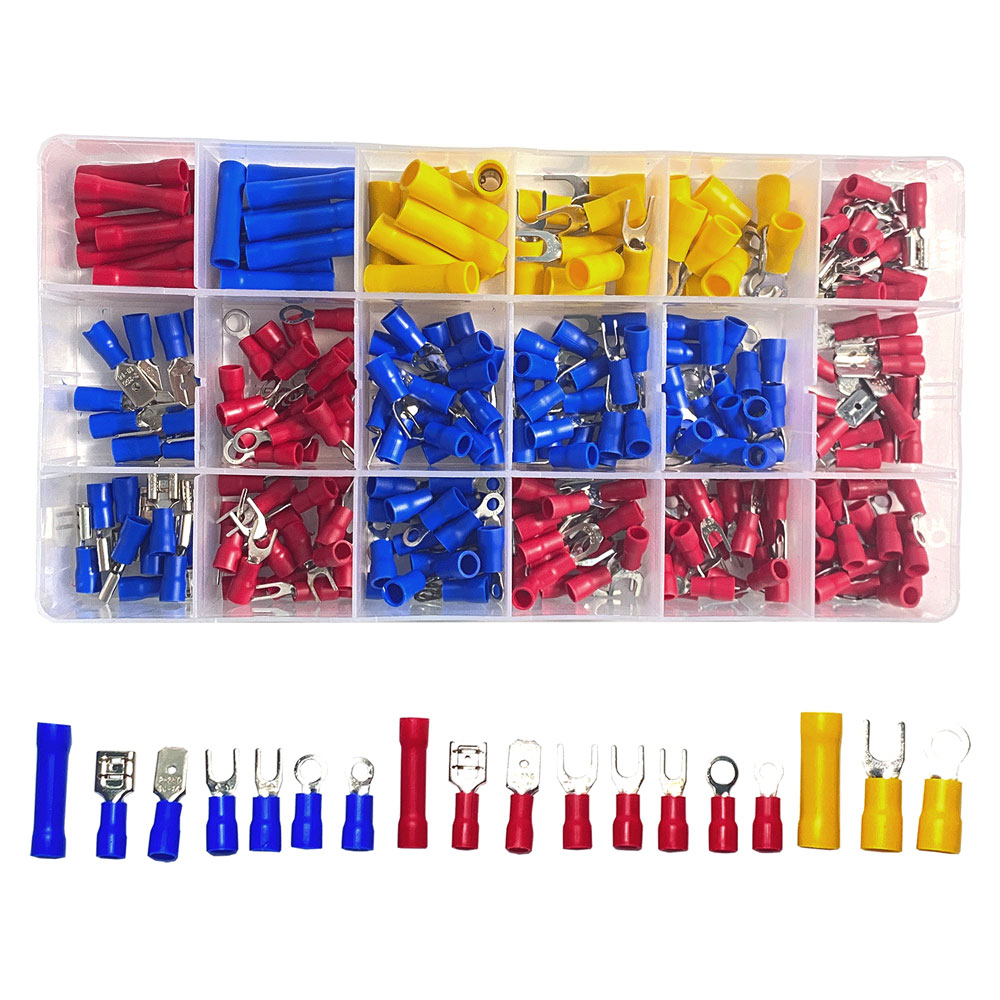
What Are Wire Connectors?
Wire connectors are components used to join, terminate, or organize electrical wires. They provide a mechanical and electrical connection while helping protect the connection from loosening or environmental factors.
The appropriate connector depends on factors such as wire size, connection method, current requirements, installation space, and the operating environment.
Common Wire Connector Types
Push-In Wire Connectors
Push in wire connectors are designed for fast installation. Stripped wires can be inserted directly into the connector without requiring complicated tools. They are particularly useful when installation speed and convenience are important.
Wire Nuts
Wire nuts are another common solution for joining wires. They are twisted onto the conductors to create a secure connection and are widely used in electrical wiring applications.
Terminal Connectors
Terminal-based connections are often used when a wire needs to connect securely to another electrical component. Different terminal structures can accommodate different wire sizes and connection requirements.
Choosing Electrical Connectors for Different Applications
Electrical connectors should be selected according to the requirements of the application rather than simply based on appearance. Wire gauge, electrical load, installation method, and environmental conditions should all be considered.
For applications exposed to vibration, moisture, temperature changes, or frequent movement, connector construction and contact reliability become especially important.
Wire Connectors for Automotive Applications
Automotive electrical connectors are commonly used in vehicle wiring systems where connectors may be exposed to vibration, temperature fluctuations, moisture, and limited installation space.
A suitable automotive connector should provide stable electrical contact while maintaining mechanical strength during long-term operation.
Key Factors When Selecting Wire Connectors
Wire size: Make sure the connector is compatible with the conductor gauge.
Connection method: Consider whether the application requires push-in, crimp, screw, or another connection method.
Electrical requirements: Check the required voltage and current rating.
Environment: Consider moisture, temperature, vibration, and other operating conditions.
Installation: Select a connector that matches the available space and installation process.
Why Connector Selection Matters
A properly selected connector can improve connection reliability, simplify installation, and reduce the risk of loose or unstable electrical connections. For manufacturers and distributors, choosing consistent connector specifications is also important for maintaining product quality across different projects.
Conclusion
There is no single wire connector that fits every application. Understanding different wire connector types and evaluating wire size, electrical requirements, installation method, and operating conditions can help users select a more suitable connection solution.
For custom electrical and wiring projects, working with an experienced connector manufacturer can also help ensure that the selected connector matches the technical requirements of the final application.