Stay tuned
To learn more about the latest news of FANGBEI.


To learn more about the latest news of FANGBEI.
2026-10-10
Building a reliable network starts long before the first cable is plugged in. The connectors, Patch Panels, and Keystone Jacks you choose decide whether the installation stays stable for years or turns into a source of intermittent faults. This guide explains how the main structured cabling components work together and how to choose the right one for your project.
Structured cabling is a standardized approach to network wiring that organizes every connection into a predictable, documented layout. Instead of running cables point to point, all horizontal runs terminate at a central patch panel, and each device connects through a keystone jack and a Patch Cord.
This design makes fault finding far easier. If a link fails, you can isolate the problem to one of three segments — the wall outlet, the patch panel port, or the patch cord — instead of tracing a single cable through the whole building.
The cable is the backbone of the system. Category 5e, Category 6, and Category 6a twisted-pair cables are the most common choices for copper Ethernet. Higher categories use tighter twists and better shielding to support faster data rates over longer distances.
For most office installations, Cat6 supports 10GBASE-T up to 55 meters and is a balanced choice between cost and future capacity. Cat6a extends 10GbE to the full 100-meter channel and is preferred for backbones and high-density environments.
A keystone jack is the female connector that terminates the horizontal cable at the wall outlet or patch panel. The jack uses insulation displacement contacts (IDC) to press each conductor into a slotted terminal, creating a gas-tight connection without soldering.
Jack quality matters more than many installers expect. Poor contact geometry or thin plating leads to signal loss and crosstalk that no expensive switch can compensate for.
A patch panel is a rack-mounted array of keystone jacks that gathers all incoming horizontal runs in one place. It converts a bundle of loose cables into organized, labeled ports, which is what allows moves, adds, and changes to be handled in minutes.
Patch panels are usually paired with short patch cords to connect each port to a Network Switch, keeping cable management clean and airflow unobstructed.
Patch cords are the flexible cables that link the patch panel to switches and the wall outlet to devices. They use stranded conductors, which bend more readily than the solid conductors used in permanent horizontal cabling.
Selection should follow the electrical and physical requirements of the installation rather than appearance or price alone. Four factors drive most decisions:
Category and performance class. Match the cable, jacks, and patch cords to the same category. Mixing a Cat6a cable with a Cat5e keystone jack caps the link at Cat5e performance and wastes the upgrade potential of the cable.
Shielding. Unshielded twisted pair (UTP) is sufficient for most offices. Screened or shielded (FTP/SFTP) cabling is worth the extra cost in industrial settings, near motors and variable-frequency drives, or where electromagnetic interference is strong.
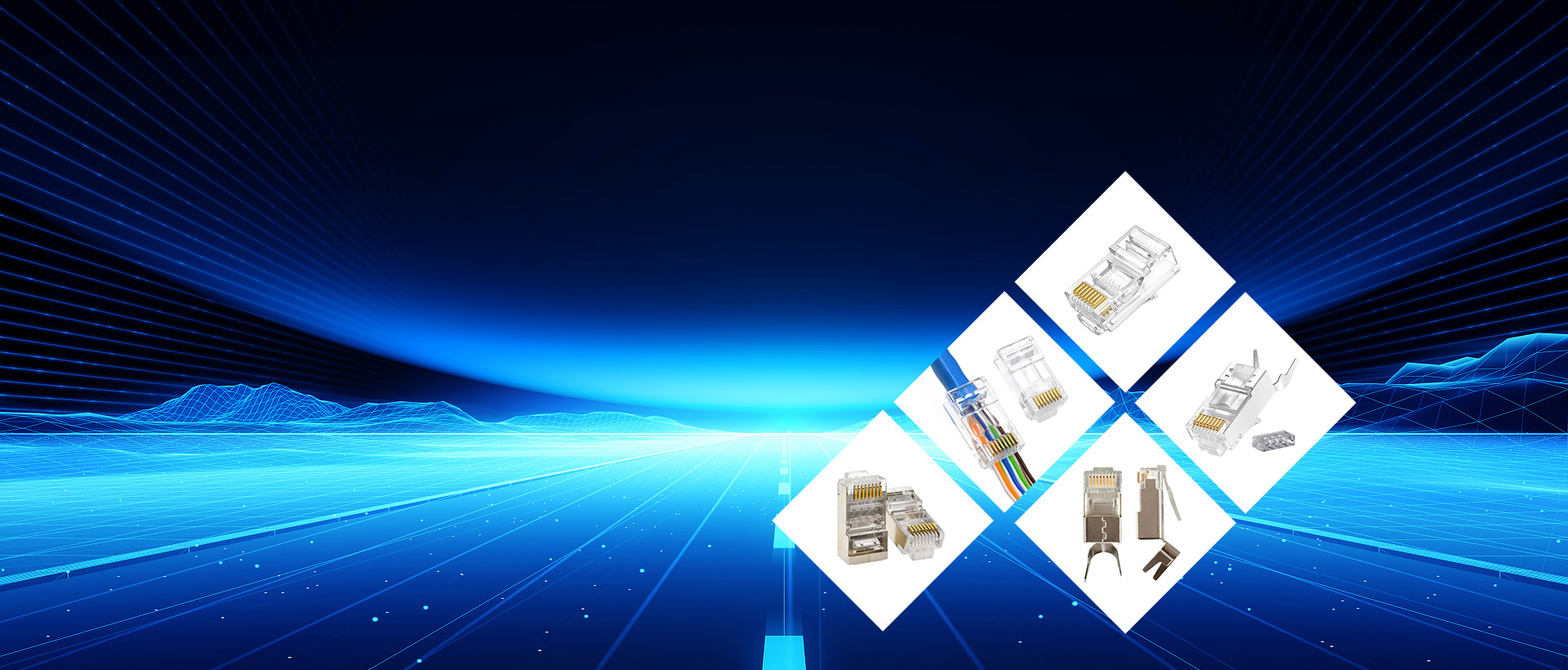
Connector type. Standard RJ45 modular connectors fit the vast majority of copper Ethernet applications. Specialized connectors are only needed for shielded, outdoor, or high-vibration environments.
Installation environment. Plenum-rated cable is required in air-handling spaces, while outdoor or direct-burial runs need UV-resistant jackets and often gel filling to keep moisture out.
Most cabling problems trace back to a short list of avoidable errors. Over-untwisting the pairs at the termination point destroys the cable's noise rejection. Exceeding the bend radius crushes the conductors. Leaving the cable's twist too far from the jack introduces crosstalk that fails certification testing.
Another frequent issue is mixing performance categories across a single link. Certification tools test the entire channel, so a single substandard component drags the whole run below the required standard.
Copper cabling is a long-term investment that is usually installed once and used for a decade. Cutting corners on keystone jacks or patch panels to save a small percentage of material cost often results in far larger expenses later, when links fail certification or require rework.
A consistent, tested component system also makes warranty support straightforward, because every part of the channel is designed to work together.
Choosing cabling components is a matter of matching performance class, shielding, and connector type to the real demands of each installation. Start with the data rate and distance you need, keep every part of the channel at the same category, and pay attention to termination quality, because that is where the majority of faults are introduced.
Working with an experienced manufacturer helps ensure that the keystone jacks, patch panels, and connectors you specify are tested to the same standard and behave predictably across the whole project.
Fangbei, a premier manufacturer specializing in network connectors, terminals, electronic components, and cutting-edge network tools.

+86 769 8127 1686 +86 186 8105 2977
186 8105 2977